






Prime Minister Narendra Modi on Monday said India supports the resolution of conflicts through dialogue and diplomacy, while expressing concern over the escalating situation in West Asia.“India has always called for dialogue and diplomacy to find a solution to such disputes,” PM Modi said, reiterating New Delhi’s consistent position in favour of the peaceful resolution of conflicts.
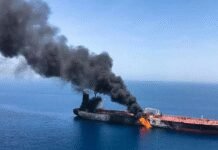
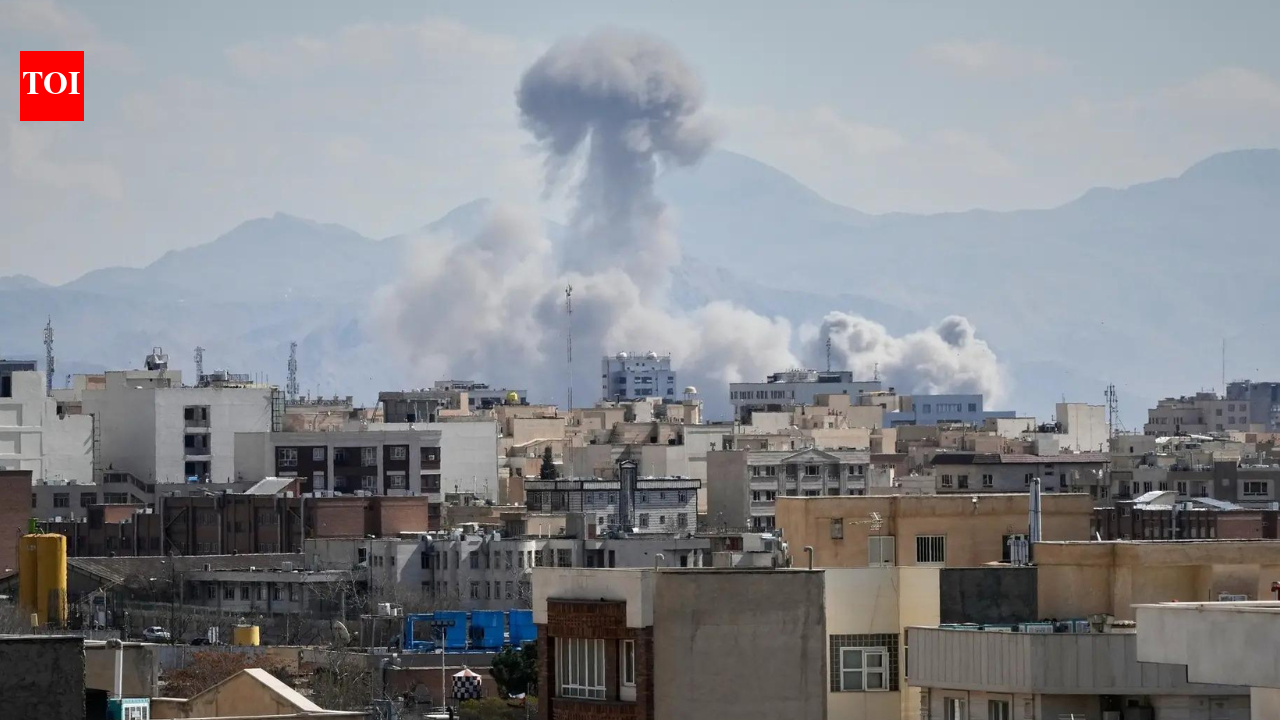
Addressing a press briefing with Canadian counterpart Mark Carney, Pm Modi referred to the ongoing tensions following the US and Israeli military action against Iran that led to the killing of its Supreme Leader Ayatollah Ali Khamenei.“Situation in West Asia is a matter of grave concern for us,” PM Modi said. He added, “we will keep working with countries in West Asia to ensure safety of Indians there.”This comes amid a fresh spell of conflict in the Middle East after the United States and Israel launched a joint military operation against Iran on Saturday. The operation, named “Epic Fury,” involved a series of strikes over the weekend that killed supreme leader Ayatollah Ali Khamenei and several other senior figures, triggering a strong Iranian retaliation and heightening fears of a wider regional war.Allies of the United States have pledged to help counter Iran’s missile and drone attacks. The Lebanese militant group Hezbollah claimed strikes on Israel for the first time in over a year, prompting Israeli retaliatory action.The first US military fatalities have been reported, while additional deaths have been confirmed in Israel and Gulf countries. Iran has said that hundreds of people have been killed within its territory.
India calls for maximum restraint
India has called for maximum restraint after a joint US-Israeli military strike on Iran raised fears of a wider conflict in the Middle East. New Delhi urged all parties to avoid escalation and stressed that the sovereignty and territorial integrity of all states must be respected.In its first official response to the rapidly evolving situation, the government said it is “deeply concerned” about developments in Iran and the Gulf region, and emphasised that “dialogue and diplomacy” should be pursued to ease tensions.“India is deeply concerned at the recent developments in Iran and the Gulf region. We urge all sides to exercise restraint, avoid escalation, and prioritise the safety of civilians. Dialogue and diplomacy should be pursued to de-escalate tensions and address underlying issues. Sovereignty and territorial integrity of all states must be respected. Our Missions in the region are in touch with Indian nationals and have issued appropriate advisories asking them to remain vigilant, stay in contact with the Missions, and follow local security guidance,” the MEA said through a statement. External affairs minister S Jaishankar separately spoke with Iranian foreign minister Seyed Abbas Araghchi and Israeli foreign minister Gideon Sa’ar. During his conversation with Araghchi, Jaishankar conveyed India’s deep concern over the situation in Iran and the wider region.“Had a telecon with Iranian FM Seyed Abbas Araghchi this evening. Shared India’s deep concern at the recent developments in Iran and the region,” Jaishankar said through a post on X.
MEA issues advisories, activates helplines for Indians in conflict-hit Middle East
The Ministry of External Affairs (MEA) has issued urgent advisories for Indian nationals in the region following the US-Israel strike on Iran. Indian embassies in Tehran and Tel Aviv have activated 24×7 helplines and are coordinating with local authorities to assist citizens.Advisories have also been issued for Indian nationals in Qatar, Turkey and Syria, asking them to remain vigilant, monitor official updates and stay in contact with the respective embassies and consulates amid the evolving security situation and flight disruptions.
PM Modi speaks to Israeli counterpart Benjamin Netanyahu
Prime Minister Narendra Modi on Monday held a telephone conversation with his Israeli counterpart, Benjamin Netanyahu, to discuss the situation in Middle East and convey India’s concerns.During the call, PM Modi stressed that the safety of civilians must remain a priority.“Had a telephone call with PM Benjamin Netanyahu to discuss the current regional situation. Conveyed India’s concerns over recent developments and emphasised the safety of civilians as a priority. India reiterates the need for an early cessation of hostilities,” PM Modi said through a post on X.On Saturday night, PM Modi spoke with UAE President Sheikh Mohamed bin Zayed Al Nahyan and strongly condemned the attacks on the Gulf nation, expressing India’s solidarity with the UAE during the crisis.PM Modi also thanked the UAE leadership for ensuring the safety and well-being of the Indian community there. He reiterated that India supports de-escalation and remains committed to regional peace, security and stability.
CCS reviews Iran strikes fallout, flags safety of Indian nationals
The Cabinet Committee on Security (CCS), chaired by Prime Minister Narendra Modi, met on Sunday in the national capital to review the evolving situation in West Asia.According to an official release, the committee was briefed on the air strikes in Iran on 28 February and the subsequent escalation, including attacks in several Gulf countries. It expressed serious concern over the safety and security of the large Indian expatriate community in the region.The CCS also assessed the difficulties faced by Indian travellers transiting through the region and students appearing for scheduled examinations. It reviewed the broader implications of the crisis for regional security, as well as economic and commercial activities.The committee directed all concerned departments to take necessary and feasible measures to assist Indian nationals affected by the developments. It emphasised the need for an early cessation of hostilities and a return to dialogue and diplomacy.
Iran allows stranded foreign students to leave via land borders
In a relief to foreign students, including several from India, stranded in Iran amid escalating tensions in West Asia, Tehran has allowed them to exit the country through its land borders.Citing Iran’s science ministry, the report said students would also be permitted to appear for their term-end examinations and defend their doctoral theses at a later date. The revised schedule will be announced separately.The decision comes as universities and public institutions remain temporarily closed and Iran’s airspace has been shut to international flights due to the ongoing security situation.“Possibility of Foreign Students Exiting Through Land Borders Without Requiring Permission. Head of the Student Affairs Organization of the Ministry of Science: All universities are obligated to provide necessary cooperation to foreign students for exiting the country, as well as to announce alternative times for holding end-of-term exams or conducting thesis defences,” Tasnim News said through a post on X.


